



Summary: Plugsters explains how cassette holders and trays improve fiber routing accuracy, protection, and system stability in structured network installations. The blog highlights how controlled fiber paths reduce bending errors, simplify maintenance, improve installation consistency, and support long-term performance in dense network environments. It also shows how structured fiber management helps reduce operational issues and maintain stable communication systems.
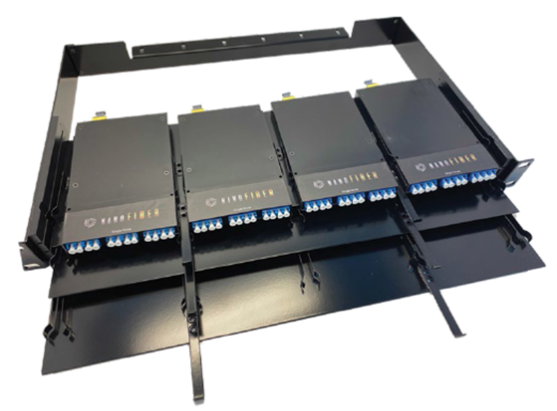
At Plugsters, we design structured fiber systems where cassette holders and trays are not just accessories but control points for routing accuracy. Cassette holders and trays are used to manage fiber placement inside high-density panels so that every cable follows a fixed path without stress or confusion. In real installations, uncontrolled fiber movement leads to routing errors, signal loss risk, and slow maintenance cycles. Our systems focus on preventing these issues before they start by keeping fiber alignment stable from the installation stage itself. This approach is used across enterprise and industrial network setups where accuracy is more important than speed alone.
Why unstructured fiber placement creates hidden network errors
In many network setups, fiber cables are placed manually without strict internal guidance. This leads to uneven bends, overlapping strands, and unclear routing paths. At first, these issues may not be visible, but over time, they create confusion during upgrades and troubleshooting. At Plugsters, we treat this as a failure source, not a minor issue. Cassette holders and trays remove this risk by locking fiber paths into fixed channels. This reduces human error during installation and ensures each fiber follows a predictable direction from the entry point to the termination zone. It also helps new technicians understand the system without guessing cable paths.
Controlled fiber flow reduces internal stress points.
Fiber performance does not only depend on signal quality, but also on physical stability. Even small pressure points can reduce long-term performance and create weak spots inside the cable structure. When fibers are bent or pressed incorrectly, signal loss may slowly increase over time without immediate detection. Our cassette holders and trays are designed to guide fiber flow gently through structured curves. Plugsters focuses on reducing sharp turns and random bends inside panels. This helps maintain stable signal transmission and prevents internal stress buildup that often leads to early cable fatigue. It also improves consistency in long-running network systems.
How routing accuracy impacts long-term maintenance speed
When fiber routing is unclear, maintenance becomes slow and risky. Technicians spend extra time identifying which cable connects where, especially in dense installations. This increases downtime and makes simple repairs more complicated than needed. Cassette holders and trays solve this problem by creating a visible and structured layout. At Plugsters, each fiber path is separated and logically placed, so identification becomes faster. This reduces service delays and improves repair accuracy without disturbing nearby connections. It also supports faster upgrades because technicians can work with clear reference points.
Why do dense network cabinets need internal fiber discipline?
Modern network systems are becoming more compact but more connected. This increases fiber density inside limited cabinet space. Without structure, density leads to confusion and cable overlap, which makes system management harder. Plugsters designs cassette holders and trays to maintain internal discipline by separating fiber layers and keeping organized spacing. This improves airflow inside racks and prevents cable pressure buildup in tight environments. It also ensures that even high-density setups remain readable and easy to manage over time, which is important for long-term infrastructure planning.
Installation consistency across multiple technicians
Large projects often involve multiple technicians working on the same system. Without standardized fiber placement, results vary from person to person, which creates inconsistency in routing quality. This inconsistency later affects troubleshooting and system upgrades. Our cassette holders and trays ensure installation consistency. Plugsters uses a fixed internal layout system, so every technician follows the same routing structure. This reduces variation in installations and improves long-term system predictability. It also makes training easier because new installers can follow a clear pattern instead of learning different methods for each project.
Reducing micro-bending mistakes that affect signal stability
One of the most common fiber issues is micro-bending caused during installation or repositioning. These small bends are often invisible but can affect signal quality over time. If not controlled, they may lead to weak transmission points inside the system. Cassette holders and trays prevent this by guiding fibers through controlled paths. At Plugsters, we design trays that maintain safe curvature limits so fibers are not forced into tight or unnatural positions. This protects signal stability over long operating periods and reduces hidden performance loss inside the network.
Ending Note:
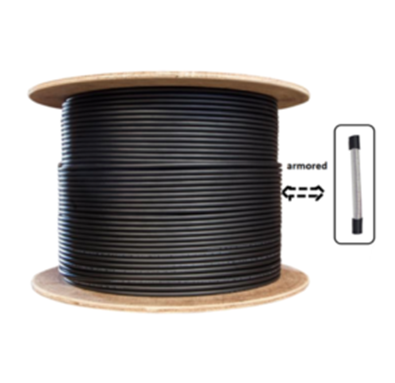
Fiber systems fail not only due to external damage but also due to poor internal routing discipline. At Plugsters, we design cassette holders and trays to remove uncertainty from fiber placement. This creates predictable routing paths, improves installation accuracy, and supports long-term network stability without frequent corrections. A well-structured internal layout is the difference between a system that is easy to maintain and one that becomes complex over time. For harsh industrial environments where physical stress is high, combining structured fiber systems with harsh environment armored fiber optic cables further improves network durability and reduces failure risk across demanding setups.
Choose Plugsters cassette holders and trays for structured fiber control, accurate routing, and stable long-term network performance in every installation.
FAQs:
- What is the main purpose of cassette holders and trays?
They organize fiber cables inside panels, ensuring structured routing, reduced stress, and improved accuracy in network installations and maintenance tasks.
- How do they improve fiber protection?
They guide cables through fixed paths, preventing sharp bends, reducing physical stress, and maintaining stable signal performance over long usage periods.
- Are they useful in high-density networks?
Yes, they help manage crowded fiber layouts by separating paths, improving clarity, and making installation and troubleshooting easier in compact systems.
- Do cassette holders affect installation speed?
They improve installation speed by providing predefined routing paths, reducing confusion, and helping technicians complete structured fiber placement faster.
- Why are they important for maintenance?
They simplify fiber identification and access, reducing downtime and making repair work faster and more accurate in structured network systems.